On August 2, 2021, journalists Sonya Groysman and Olga Churakova launched a clever and informative new podcast called "Привет, ты иногент!" ("Hi, You're a Foreign Agent!"). Groysman and Churakova were political journalists whose resumes were a collection of the greatest hits of Russian independent media: Novaia gazeta, Kommersant, TV-Rain, and the investigative journalism outlet known as "Proekt" ("Project."). Less than three weeks earlier, Proekt had been banned from operating in the Russian Federation as an "undesirable organization;" not long after that, both Churakova and Groysman found themselves on the most recent update to the country's registry of "foreign agents."
Technically, this designation was to indicate that the writers or media outlets received funding from abroad, but no evidence of such funding was required in order to justify the status. In reality, journalists and public figures who in any way questioned state policy were being slapped with the "foreign agent" label at an increasingly rapid rate. By the time Churakov and Groysman were added to the roster, they thought they knew what the status entailed; after all, so many of their colleagues had become "foreign agents" in the previous few months. But the actual experience was another matter: they were entirely unprepared for the bureaucratic hellscape that stretched out before them.
Foreign agents must submit quarterly, forty-page reports on their income and expenditures, listing every purchase they have made in the past three months. While foreign agent status does not technically prevent them from working as journalists, few employers are willing to take a chance on hiring them. Their status also appears permanent; there is no procedure established for getting oneself removed from the list.
But perhaps the most obvious, and odious, requirement is that foreign agents must engage in the social media equivalent of wearing a cowbell around their necks or the scarlet letter on their blouses. Everything they post on the Internet must feature following disclaimer:
ДАННОЕ СООБЩЕНИЕ (МАТЕРИАЛ) СОЗДАНО И (ИЛИ) РАСПРОСТРАНЕНО ИНОСТРАННЫМ СРЕДСТВОМ МАССОВОЙ ИНФОРМАЦИИ, ВЫПОЛНЯЮЩИМ ФУНКЦИИ ИНОСТРАННОГО АГЕНТА, И (ИЛИ) РОССИЙСКИМ ЮРИДИЧЕСКИМ ЛИЦОМ, ВЫПОЛНЯЮЩИМ ФУНКЦИИ ИНОСТРАННОГО АГЕНТА.
This communication/material was created and/or disseminated by a foreign mass media performing the functions of a foreign agent, and/or a Russian legal entity performing the functions of a foreign agent.
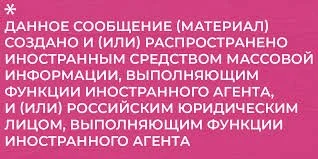
This disclaimer quickly became something between a magic spell, a bureaucratic mantra, and a Putinist prayer. Russian readers of this book will have seen these words far too many times, and, like late Soviet subjects faced with a poster reminding its viewers that "we will fulfill the decisions of the 25th, 26th, or 27th congress of the communist party," will skip over them rather than read them. In the early days of their podcast, they playfully wondered aloud about just how strictly they would have to follow the rule (would they need to include it on Tinder)? Now that, in the wake of the February 2022 invasion, they have found at least temporary shelter in Europe (Churakova) and the United States (Groysman), they have retained the disclaimer in the newer, diaspora phrase of the podcast, inviting special guests to read it at the beginning of each episode. While their foreign agent status is now irrelevant, they nonetheless continue to embrace it, at least for the purposes of their podcast (which, they say, is meant for "anyone who might feel a little bit like a foreign agent").
If feeling. "a little bit like a foreign agent" sounds facetious, it is deliberately so. Groysman and Churakova are engaging in the decades-long opposition practice of answering self-righteous cant with absurdity, rejecting the logic of the state by refusing to take it seriously. However effective this may have been before February 2022, since the invasion, it has proven powerless against the draconian methods the regime now freely employs: not just fines, but arrests and convictions to serious jail time. But even if their humor now looks like a holdover from a less horrible era, it nonetheless highlights the substance, or rather, lack of substance, behind the "foreign agent" designation. Wielded without even the fig leaf of due process, it is a punishment that uses words to enact something rather than to meansomething.
Next: The Enemy Within