[Note: earlier versions of the next few blog entries were originally serialized on my Soviet Self-Hatred blog, but I subsequently decided they did not fit into the resulting book. Five years later, they are being repurposed for Unidentified Russian Objects.. ]
Sleepers demonstrates one of the potential pitfalls of the spy thriller: deadly literalism. The characters have significance beyond their individual fates and personalities, but they are more allegory than symbol: this particular televised melodrama leaves no room for ambiguity. The sleepers are American spies, and they represent the evils of the West, full stop. It is in the more fantastic varieties of storytelling that alterity can be set free from the literal, taking advantage of the polyvalent interpretations made possible by the manifest unreality of the world in which the story takes place.
As in my previous books, I want to make the claim for fantasy and science fiction (F&SF) as crucial genres for negotiating the questions that haunt a particular culture, as well as for the value of looking through an F&SF lens at cultural productions more commonly assigned to the category of realism. In particular, science fiction has inestimable value for considerations of alterity. One of the obvious benefits of the countless stories of encounters with aliens is that they provide a space for imagining an Other that is, at least on the surface, separate from or surplus to the standard “Others” that populate our world (based on race, class, gender, sexuality, ability, nationality, political affiliation, and religious belief). Conversely, the gaze of the purely imaginary Other highlights certain aspects of our own identities, as mediated through the conscious and unconscious concerns of the writer and the writer’s milieu. Just as utopias reflect the priorities of the times in which they were first imagined, so, too, is the external perspective of the alien visitor shaped by preoccupations about the world that is under the alien’s gaze.
The alien is always not just imaginary, but doubly so: first, in that the F&SF context requires the suspension of disbelief in order to confront us with the viewpoints of characters who are unreal by definition, and second, because that alien (whether from another place or another time) is almost always the creation of someone from the default or unmarked category that the alien encounters. Imagining the perspective of an alien nation requires the writer’s self-alienation, as well as invoking a pun at least as old as the Alien Nation media franchise.
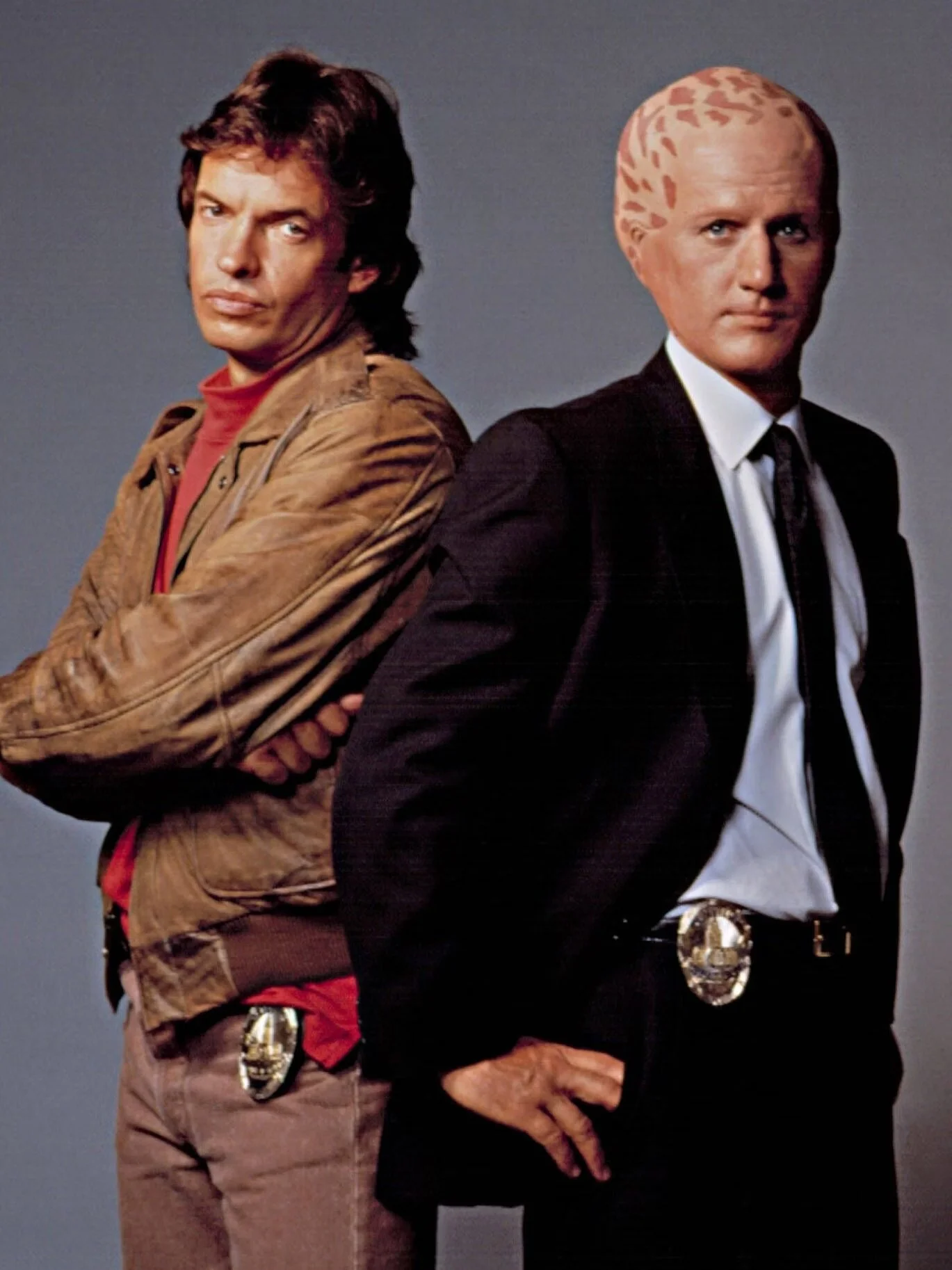
Proof that anything can be a buddy cop show
Begun in 1988, the Alien Nation story is an allegory of immigration and discrimination about the tensions between humans and the 300,000 former slaves whose spaceship crashed in the Mojave Desert, after which they move to Los Angeles (apparently, even alien former slaves all think they have a screenplay or two in them). Ostensibly, this is a story about the relations between the alien “Newcomers” and humans, but in fact, “humans” in this case means “Americans.” When District 9 develop a similar premise in 2009, its South African setting gives it particular, local ramifications.
What, then, does the alien mean to Russia? What stories can be told by imagining an extraterrestrial guest taking up housekeeping in the Soviet Union or the Russian Federation?
Next: Russia as Flyover Country